
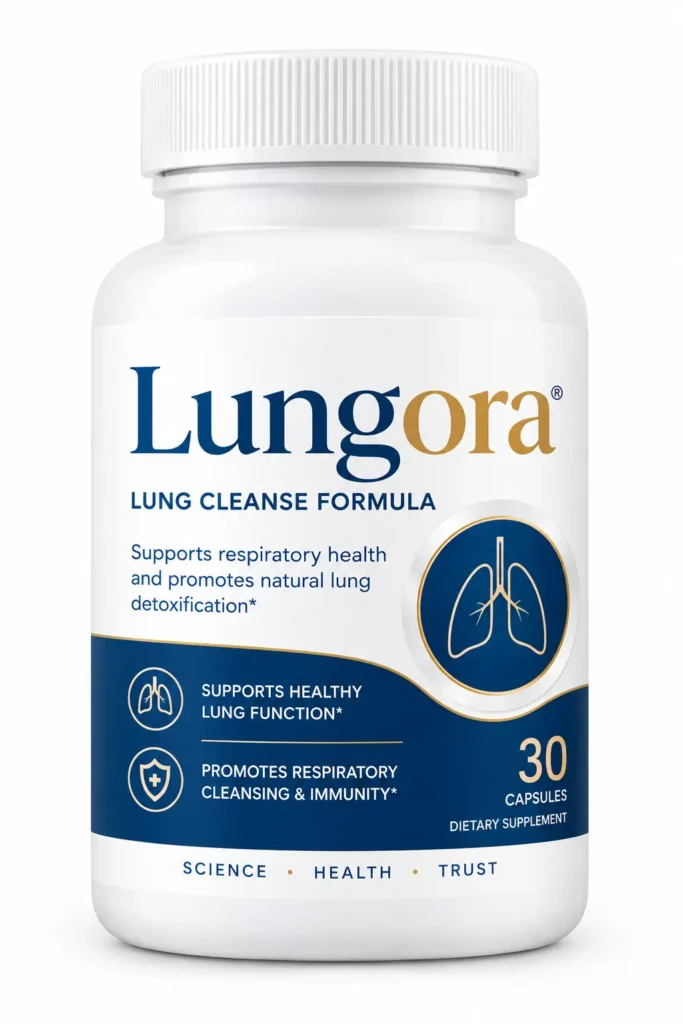
Lungora is a once-daily capsule marketed for respiratory wellness. It is aimed mainly at adults over 50 who want to support comfortable breathing and overall vitality as they age. Lung health rarely gets attention until something feels wrong, but interest in respiratory wellness has grown, and with it a new group of supplements. Lungora is one of the more heavily advertised. This article explains what Lungora is, what’s inside it, how it is supposed to work, what the science does and doesn’t say, and who might consider it.
Visit Lungora Official Website
Why Lung Health Matters
Your lungs work around the clock, moving oxygen into your blood and carrying carbon dioxide out. Over time, several things can affect how comfortably you breathe:
- Age. Lung tissue and chest muscles gradually lose some elasticity and strength.
- Smoking and secondhand smoke. The leading cause of lasting lung damage.
- Air pollution and dust. Long-term exposure to traffic fumes, smoke, and workplace irritants.
- Respiratory infections. Repeated infections can leave lingering effects.
- Chronic conditions. Asthma, COPD, and other diseases need proper medical care.
- Low activity levels. Less exercise means less stamina and breathing capacity.
Many people look for extra support, especially in later life. That is where products like Lungora enter the picture. It is important to understand from the start that no supplement can repair damaged lungs or replace medical treatment.
What Is Lungora?
Lungora is a dietary supplement sold in capsule form, typically one capsule per day. It is promoted for:
- Daily respiratory wellness
- Comfortable breathing
- General vitality as part of a healthy-aging routine
Some marketing presents it as a “lung cleanse” formula. This phrase deserves caution, and we’ll explain why later.
The product is sold mainly through its official website, usually in 2, 3, or 6-bottle bundles with a money-back guarantee. Like all supplements, it is not a drug, has not been approved by the FDA, and is not intended to diagnose, treat, cure, or prevent any disease.
What’s Inside Lungora?
Lungora lists six active ingredients. They are not typical “lung herbs.” Instead, they cover general areas such as antioxidant support, circulation, nerve health, and cellular energy. Here is what each is generally known for.
Magnesium Glycinate
Magnesium is a mineral involved in hundreds of body processes, including muscle and nerve function. Some research links healthy magnesium levels to better lung function, and low levels have been associated with breathing difficulties in certain groups. The glycinate form is well absorbed and gentle on the stomach. Benefits are most likely for people who are actually low in magnesium.
Alpha Lipoic Acid (ALA)
ALA is an antioxidant that the body makes in small amounts. It is studied mostly for nerve health and blood sugar support. Its role in lung health is not well established in humans.
Butcher’s Broom Root Extract
This is a plant traditionally used to support healthy circulation and vein function. Evidence is modest, and most of it relates to leg veins rather than the lungs.
L-Carnitine
L-carnitine helps cells turn fat into energy. It is popular in energy and exercise supplements. Some small studies have looked at it in people with chronic respiratory conditions, but findings are limited and mixed.
Turmeric Extract
Turmeric, and its active compound curcumin, is widely studied for its antioxidant and anti-inflammatory properties. It is one of the better-researched ingredients in the formula, although most studies are not specific to lung health. Turmeric supplements can also interact with certain medications.
Coenzyme Q10 (CoQ10)
CoQ10 is a compound found in nearly every cell, where it helps produce energy. Levels decline with age, which is one reason it is popular in supplements aimed at older adults. It is studied mainly for heart and energy support.
Together, these ingredients make up a “wellness” formula rather than a clearly respiratory-specific one. They are recognizable and individually have some research behind them, but none is a proven lung treatment.
How Is Lungora Supposed to Work?
The brand’s approach is to combine ingredients that support several general body systems at once. In theory:
- Antioxidant support. ALA, turmeric, and CoQ10 may help the body manage oxidative stress, which is linked to aging and inflammation.
- Circulation support. Butcher’s broom is traditionally used for healthy blood flow.
- Cellular energy. L-carnitine and CoQ10 support how cells produce energy.
- Mineral support. Magnesium contributes to normal muscle and nerve function, including the muscles involved in breathing.
The idea is that supporting these broad areas may help the body handle everyday breathing and physical activity more comfortably. This is an indirect, general-wellness argument. It is not the same as showing that the capsule improves lung function, and that is a difference worth keeping in mind.
How to Use Lungora
Usage is simple:
- Take one capsule per day, as directed on the label.
- Take it with water, and with food if it upsets your stomach.
- Use it consistently, since supplements of this kind usually need weeks, not days, before you can judge any effect.
Do not exceed the recommended amount. If you take other supplements containing magnesium, CoQ10, turmeric, or similar ingredients, check the totals to avoid doubling up.
Claimed Benefits
Based on the brand’s marketing and the ingredient list, Lungora is positioned to support:
- Comfortable breathing during daily activity
- General respiratory wellness
- Healthy circulation
- Antioxidant protection
- Energy and vitality, especially in adults over 50
- Convenience. One capsule instead of several separate supplements
These are marketing claims, not proven outcomes. Individual results vary widely, and some people may notice little or no change.
Does Lungora Really “Cleanse” the Lungs?
This is the most important question about the product.
Your lungs are largely self-cleaning. Tiny hair-like structures called cilia, along with mucus and coughing, move particles and debris out of the airways. There is no strong scientific evidence that a capsule can “detox” or “flush” the lungs, and none of the six ingredients is an established lung-cleansing agent.
Be skeptical of any product that promises to:
- Remove years of smoking damage
- Reverse lung disease
- Eliminate pollution or toxins from your lungs
- Replace inhalers or prescribed medications
The most reasonable way to view Lungora is as a general wellness supplement that contains antioxidants, minerals, and plant extracts, not as a lung detox. Anyone who smokes, or who has a lung condition, should treat quitting smoking and proper medical care as the real priorities.
What Does the Science Say?
What’s encouraging: Several ingredients, such as magnesium, turmeric, and CoQ10, have research supporting general health roles. Antioxidant and nutritional support can be a reasonable part of healthy aging.
What’s limited: Most research looks at single ingredients, often in small studies and not specifically for lung health. A good result for one ingredient does not prove that a blended formula will work the same way.
What’s missing: There is no large, independent, peer-reviewed clinical trial showing that Lungora itself improves lung function, breathing capacity, or respiratory symptoms. Its ingredients are well known on their own, but the finished product has not been independently tested for the claims being made.
Dosage transparency: Some of the ingredients appear inside a proprietary blend, which means the exact amount of each is not clearly listed. This makes it hard to compare the dosing with what was used in studies.
In short, the ingredients are real and recognizable, but the evidence that this particular combination supports the lungs is thin.
Pros and Cons
Pros
- Recognizable ingredients. Magnesium, turmeric, CoQ10, and ALA are familiar and widely used.
- Simple routine. One capsule a day.
- General wellness support. Antioxidants and minerals may benefit overall health.
- Refund policy. The brand advertises a money-back guarantee (confirm current terms on the official site).
- Bundle discounts. Larger packages lower the per-bottle cost.
Cons
- Limited product-specific research. No independent trials of the finished formula.
- Not lung-specific. The ingredients are general wellness compounds rather than proven respiratory aids.
- Proprietary blend. Individual doses are not always clear.
- “Lung cleanse” marketing. This language overstates what the science supports.
- Possible interactions. Some ingredients can affect medications.
- Cost. It is an ongoing expense, and the best prices require buying several bottles.
- Online-only sales. Harder to compare or buy locally.
Safety and Side Effects
Most healthy adults tolerate these ingredients well, but side effects are possible. Reports for ingredients like these include:
- Upset stomach, nausea, or diarrhea (magnesium, L-carnitine, turmeric)
- Headache or dizziness
- Changes in blood sugar (ALA may lower blood sugar)
- Mild allergic reactions
Talk to your doctor or pharmacist before using Lungora if you:
- Take blood thinners, blood pressure medication, diabetes medication, or any prescription drug
- Have kidney, liver, or gallbladder problems
- Have a heart or lung condition such as asthma or COPD
- Are pregnant or breastfeeding
- Are scheduled for surgery
- Have allergies to any listed ingredient
Turmeric and butcher’s broom are plant-based ingredients that may interact with some medications, so professional advice matters, especially for older adults who take several drugs.
Important: If you have persistent coughing, shortness of breath, wheezing, chest tightness, or coughing up blood, see a doctor. These are not problems to treat with a supplement.
What Really Supports Lung Health
If your goal is healthier lungs, the habits with the strongest evidence are not capsules:
- Don’t smoke, and avoid secondhand smoke. This is the single most important step.
- Exercise regularly. Walking, swimming, and cardio improve breathing efficiency.
- Practice breathing exercises. Diaphragmatic and pursed-lip breathing can help, especially for people with respiratory conditions.
- Improve indoor air quality. Ventilate, reduce dust, and consider an air purifier if you live in a polluted area.
- Eat a nutrient-rich diet. Fruits, vegetables, whole grains, and healthy fats support overall health.
- Stay up to date on vaccines. Flu, pneumonia, and other vaccines protect against infections that harm the lungs.
- Get regular checkups. Lung function tests can detect problems early.
Where to Buy Lungora Safely
Popular supplements attract imitations and misleading ads. Be careful of:
- Third-party sellers on marketplaces claiming to offer authentic Lungora
- Fake doctor endorsements or invented medical claims
- Dramatic promises such as “reverse lung damage” or “detox your lungs in days”
- Review sites that are really ads. Many are paid promotions that include affiliate links
- Unusually low prices from unofficial websites
The safest way to buy is through the official Lungora website, where the genuine product and the guarantee are most likely to be honored. Check current pricing, bundle options, shipping, and refund terms directly on the site before ordering, because these can change. Also compare the product packaging claims with what the official site currently says.
Who Might Consider Lungora?
Lungora may be worth a look if you:
- Are an adult looking for general antioxidant and wellness support
- Already follow healthy habits such as exercise and good nutrition
- Have talked to your doctor and have no interacting medications
- Are comfortable trying a supplement with a money-back guarantee
- Have realistic expectations
It may not be the right choice if you:
- Have a diagnosed lung condition and hope to replace medical treatment
- Expect a “lung detox” or reversal of smoking damage
- Take medications that could interact with its ingredients
- Are on a tight budget
- Prefer products with clear, independently tested results
Frequently Asked Questions
How long does Lungora take to work?
Supplements like this usually need several weeks of consistent use before any effect can be judged. Some people may notice nothing at all.
Can Lungora cure lung disease?
No. It is a dietary supplement and not a treatment for asthma, COPD, or any other condition.
Is Lungora safe for daily use?
Its ingredients are commonly used, but long-term safety depends on your health and medications. Ask your doctor first.
Can I take Lungora with my medications?
Not without checking. Ingredients such as turmeric, ALA, and butcher’s broom may interact with some drugs.
Does it help smokers detox their lungs?
There is no solid evidence for that. The best step for a smoker’s lungs is to quit, with medical support if needed.
What if it doesn’t work for me?
Read the refund policy before ordering, and keep your order details so you can request a refund within the stated period.
Final Verdict
Lungora is a once-daily supplement that combines six recognizable ingredients: magnesium glycinate, alpha lipoic acid, butcher’s broom, L-carnitine, turmeric, and CoQ10. For some adults it may be a convenient way to add general antioxidant and nutritional support. The ingredients are familiar, the routine is simple, and a refund policy lowers the financial risk.
At the same time, the marketing should be read with care. The ingredients are not proven lung-specific treatments, the finished formula has not been independently tested, some doses are hidden in a proprietary blend, and “lung cleanse” language goes beyond what the evidence supports. Lungora cannot repair lung damage, replace medication, or substitute for a doctor.
If you decide to try it, buy only from the official site, check with your healthcare provider first if you take medications or have a health condition, give it a fair trial, and keep your focus on what truly protects your lungs: not smoking, staying active, breathing clean air, and getting regular medical care. Seen as a modest wellness add-on rather than a lung solution, Lungora may suit some people, but it should never be your main plan.
Disclaimer: This article is for informational purposes only and is not medical advice. Statements about dietary supplements have not been evaluated by the FDA. This product is not intended to diagnose, treat, cure, or prevent any disease. Consult a qualified healthcare professional before starting any new supplement. If you publish this with affiliate links, include a clear affiliate disclosure as required by law.
Disclosure: This article may contain sponsored content or affiliate links provided by third parties. Publication does not constitute an endorsement by Your Health Magazine.